 CrashAid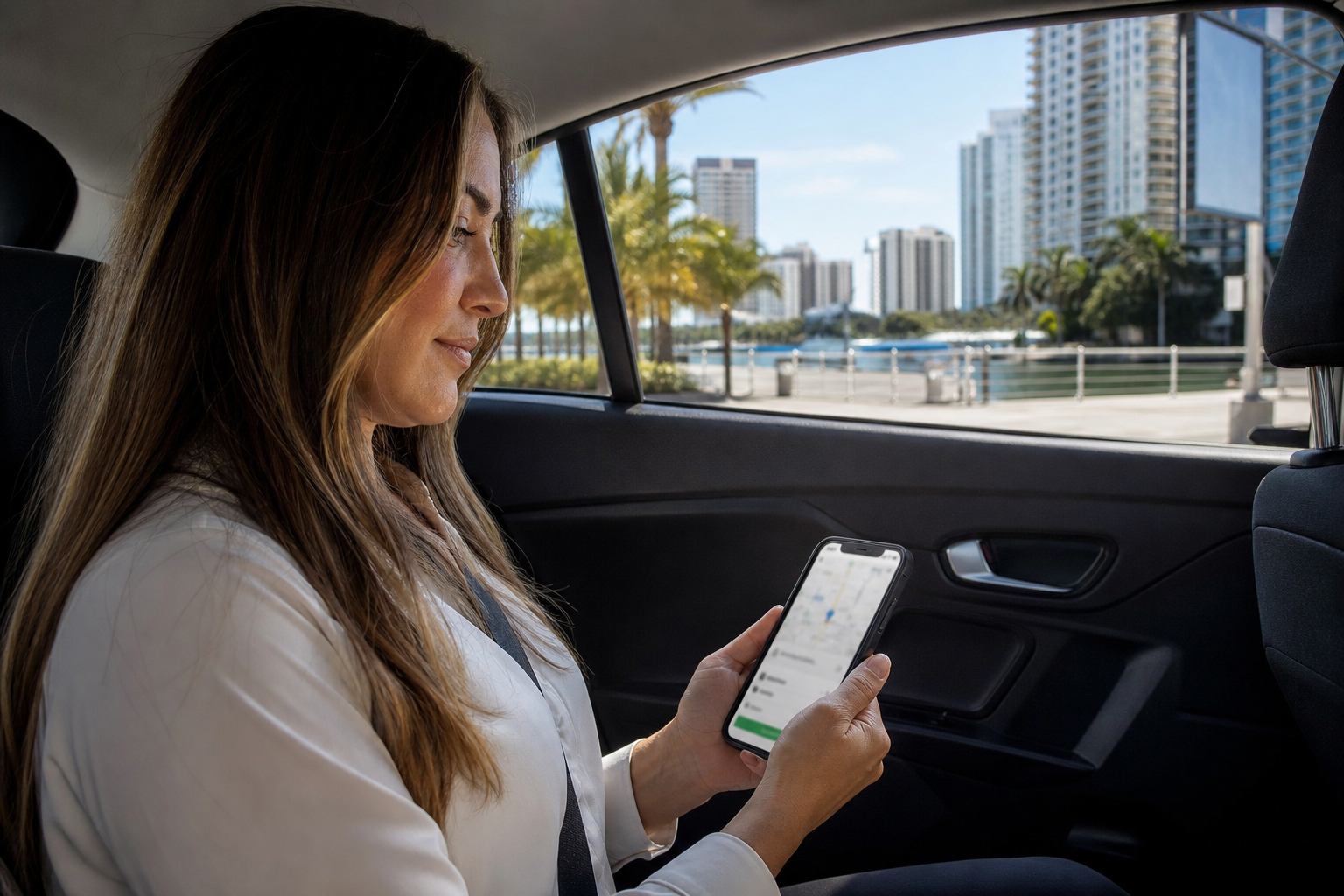
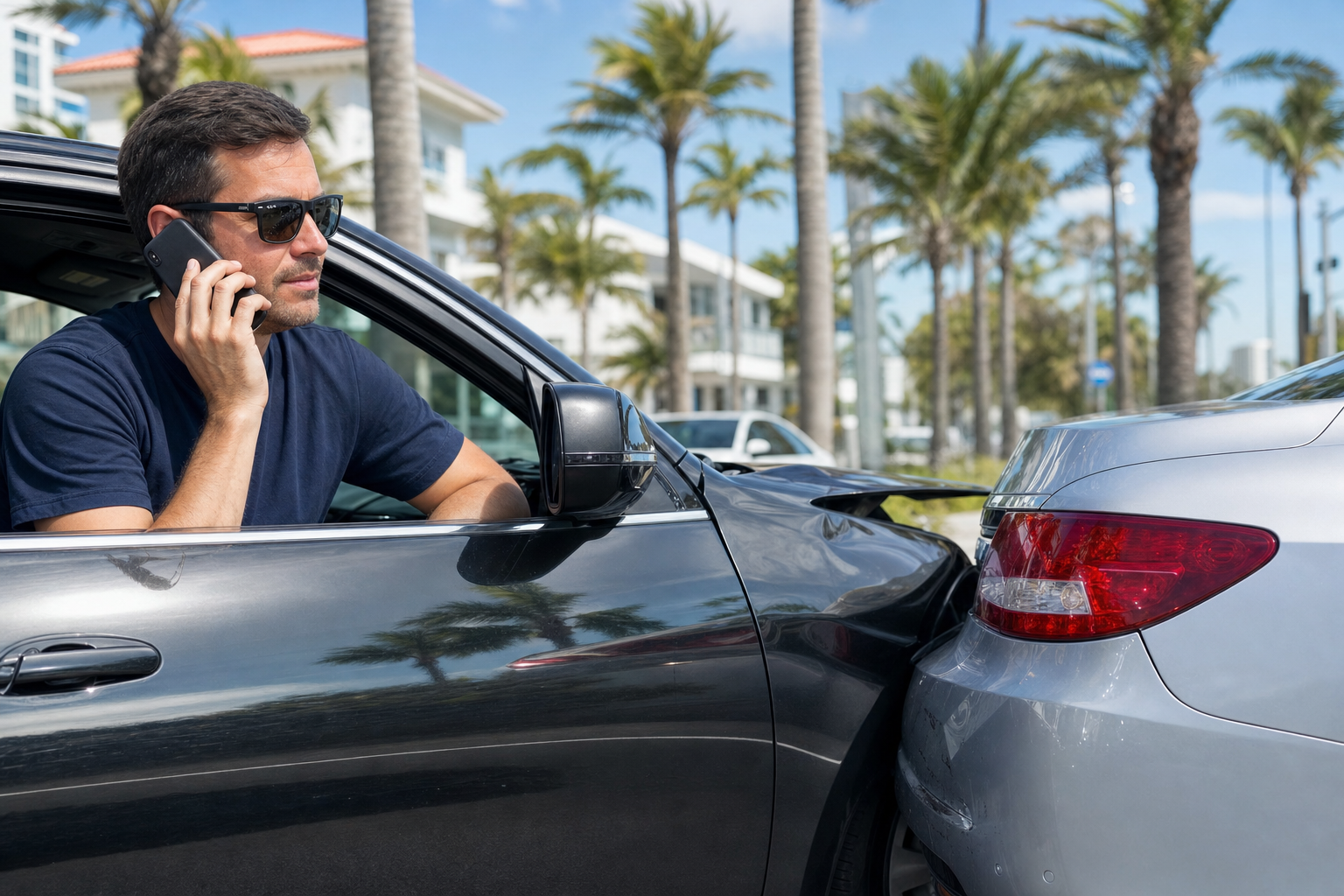
Whether you were a rideshare passenger, another driver, or the rideshare driver yourself, the first question after a crash is always the same: which insurance policy is on the hook? In Florida, the answer depends on the app.
Florida's rideshare insurance law
Florida Statute § 627.748 sets mandatory insurance tiers for transportation network companies like Uber and Lyft, based on the driver's status at the moment of the crash:
- App off — the driver's personal auto policy applies, like any other crash
- App on, waiting for a ride request — at least $50,000 per person / $100,000 per crash in bodily injury coverage and $25,000 in property damage
- En route to pick up, or carrying a passenger — at least $1 million in liability coverage
If you were the passenger
Passengers are in the strongest position: the $1 million policy is active for the entire ride, and you are almost never at fault. Your own PIP coverage (if you have an auto policy) still pays first for initial medical bills under Florida's no-fault system — which means the 14-day medical treatment deadline applies to you too.
If a rideshare driver hit you
Your recovery depends on the driver's app status at impact — something the rideshare company's records will show. This is a key reason to identify the crash as a rideshare case early: your attorney can demand preservation of the app data before it becomes a fight.
Why these cases settle differently
More available coverage changes the negotiation. It also brings corporate claims teams to the table, who handle these cases every day and know every argument to minimize payouts. Going in alone rarely goes well.
CrashAid refers rideshare accident victims — passengers, drivers, and third parties — to Florida attorneys experienced with TNC claims. It costs nothing to find out where you stand.
Injured in a Florida accident?
CrashAid is a 100% free referral service. We match you with the best vetted attorney in town for your case — no win, no fee, serving Tampa and all of Florida.
Get My Free Case ReviewThis article is for general information only and is not legal advice. Laws change and every case is different; no outcome is guaranteed. CrashAid is a referral service, not a law firm, and reading this article does not create an attorney-client relationship. For advice about your specific situation, consult a licensed Florida attorney.